Human vs Machine Maintenance in Modern Data Centers: The Race Toward the AI Data Center
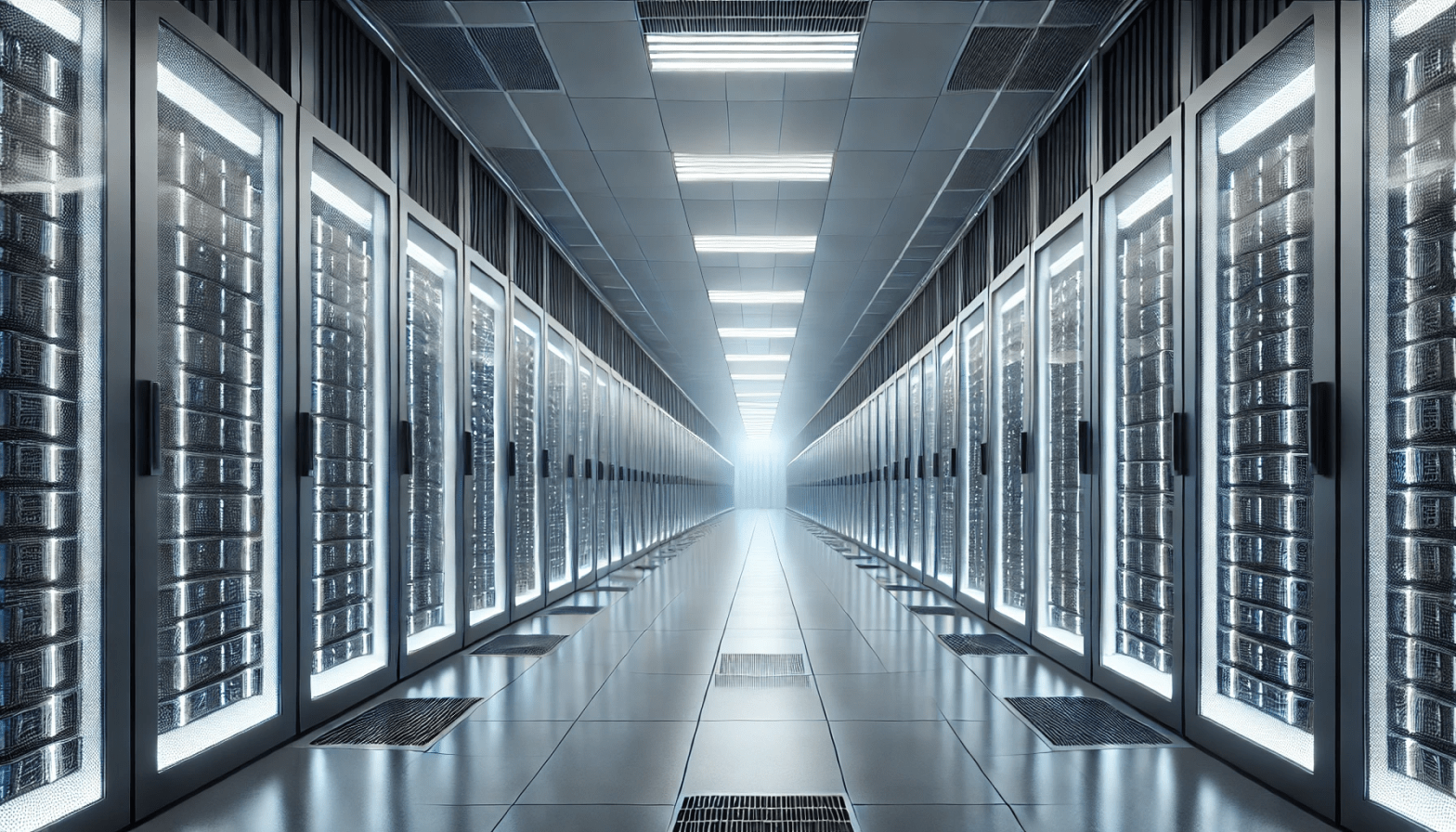
Data centers power everything—from your late-night Netflix binge to global financial systems—and keeping them running smoothly is no small job. Traditionally, human engineers and technicians handled the complex tasks that kept racks cool, servers responsive, and operations humming. But fast-forward to today, and things are shifting dramatically.
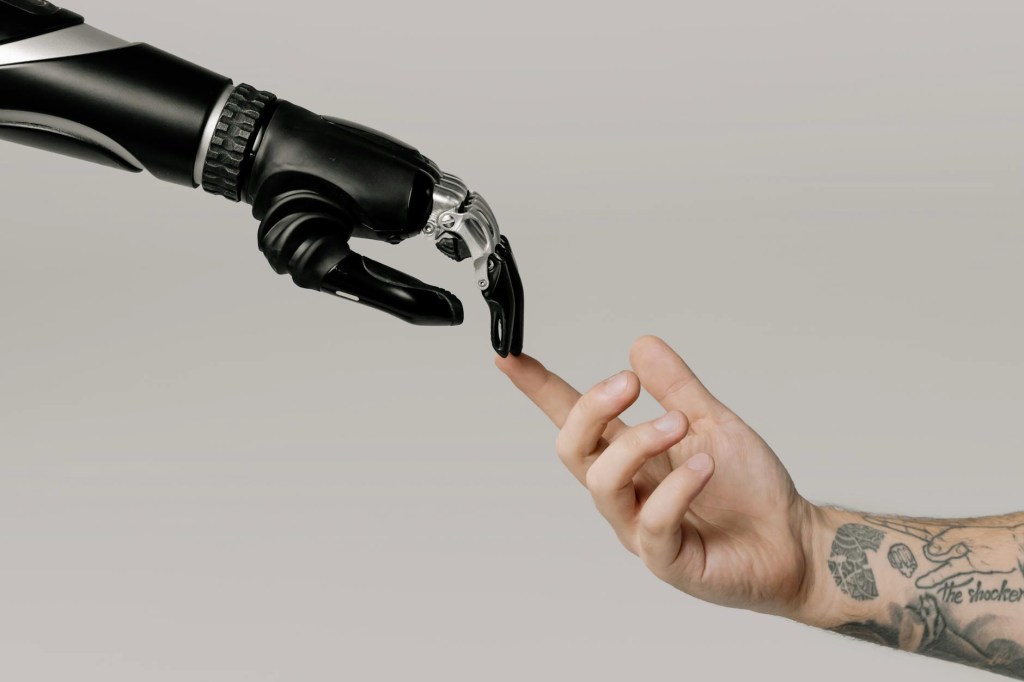
Artificial Intelligence, automation tools, robotics, and advanced monitoring systems are stepping in, changing not just how maintenance is done but who does it.
So, where do humans stand? And is the AI Data Center really the next big leap?
Let’s break it all down.
What Today’s Data Center Maintenance Looks Like (And Why It’s Changing)
For decades, data centers have relied on human-driven maintenance routines. That includes:
Physical inspections Cooling and HVAC monitoring Cable management Electrical and power cycle checks Network troubleshooting Security operations Hardware replacements
While this system works, it comes with one big issue: human limitations—fatigue, error rates, slow reaction time, and the physical risks associated with hot aisles and high-voltage environments.
So, the move toward automation wasn’t just trendy—it was necessary.
The Rise of Machine-Driven Maintenance in Data Centers
Today’s cutting-edge data centers use a mix of systems that act like digital “guardians,” constantly watching, predicting, correcting, and optimizing operations.
Some examples include:
1. Predictive Maintenance Systems
AI tools analyze sensor data to predict failures before they happen.
Think of it like a crystal ball for server rooms.
2. Intelligent Cooling Management
Machine-learning-driven cooling can reduce energy usage by 20–40%.
Google famously used DeepMind to cut data center cooling power by 40%—a massive win.
Source: https://deepmind.google/discover/blog/deepmind-ai-reduces-google-data-centre-cooling-bill/
3. Robotics for Physical Tasks
Some hyperscale centers already test robot “support staff” to handle cable tracing, hot-swap replacements, or midnight inspections.
4. Autonomous Monitoring Systems
Machine sensors never sleep. They monitor:
Temperature Vibration Humidity Airflow Power consumption Server load
And when they spot an issue? Machines can auto-trigger fixes.
These tools build the foundation for the AI Data Center—a facility that can think, adapt, and correct itself in real time.
Machine vs Human Maintenance: Which One Wins Today?
Let’s compare the two sides, head-to-head.
1. Human Strengths
Humans shine when the unexpected happens.
2. Machine Strengths
24/7 uptime Zero fatigue Instant reactions High accuracy Massive data processing Predictive insights
Machines shine when precision and speed are essential.
Who Wins?
3. Who Wins?
Right now? Neither alone.
Today’s data centers operate best with a human + machine hybrid model.
But the future is leaning heavily toward more machine-driven control.
So What Exactly Is an AI Data Center?
An AI Data Center uses artificial intelligence, automation, and self-healing systems to run operations with minimal human input.
Key Characteristicsa
A) Self-optimizing cooling
B) Predictive hardware failure detection
C) Robotic-assisted maintenance
D) AI-controlled workload distribution
E) Real-time monitoring with autonomous correction
F) Digital twins for simulation and planning
Essentially, the AI Data Center is like having a team of super-smart digital engineers working nonstop without rest.
Amazon, Meta, Microsoft, Google an Oracle are already building toward this model, with autonomous cooling, security analytics, and server-load optimization powered by AI.
Here’s the big picture—AI isn’t just convenient. It solves real issues like water leaks, fire breakout, and humidity which predominantly are the crucial elements on systems and components deteriorating factors for AI hyperscale environment.
 Data Center Health